Carbon Materials

Carbon fiber, also known as carbon, is one of the most advanced materials used in the automotive industry. Its unique properties – lightweight, durability, and aesthetics – make it the perfect solution for high-end cars. On this page, we present the carbon materials we use in the production of car parts, along with their key benefits
lightness

Carbon is significantly lighter than steel and aluminum, which helps reduce vehicle weight and improve performance.
Resilience
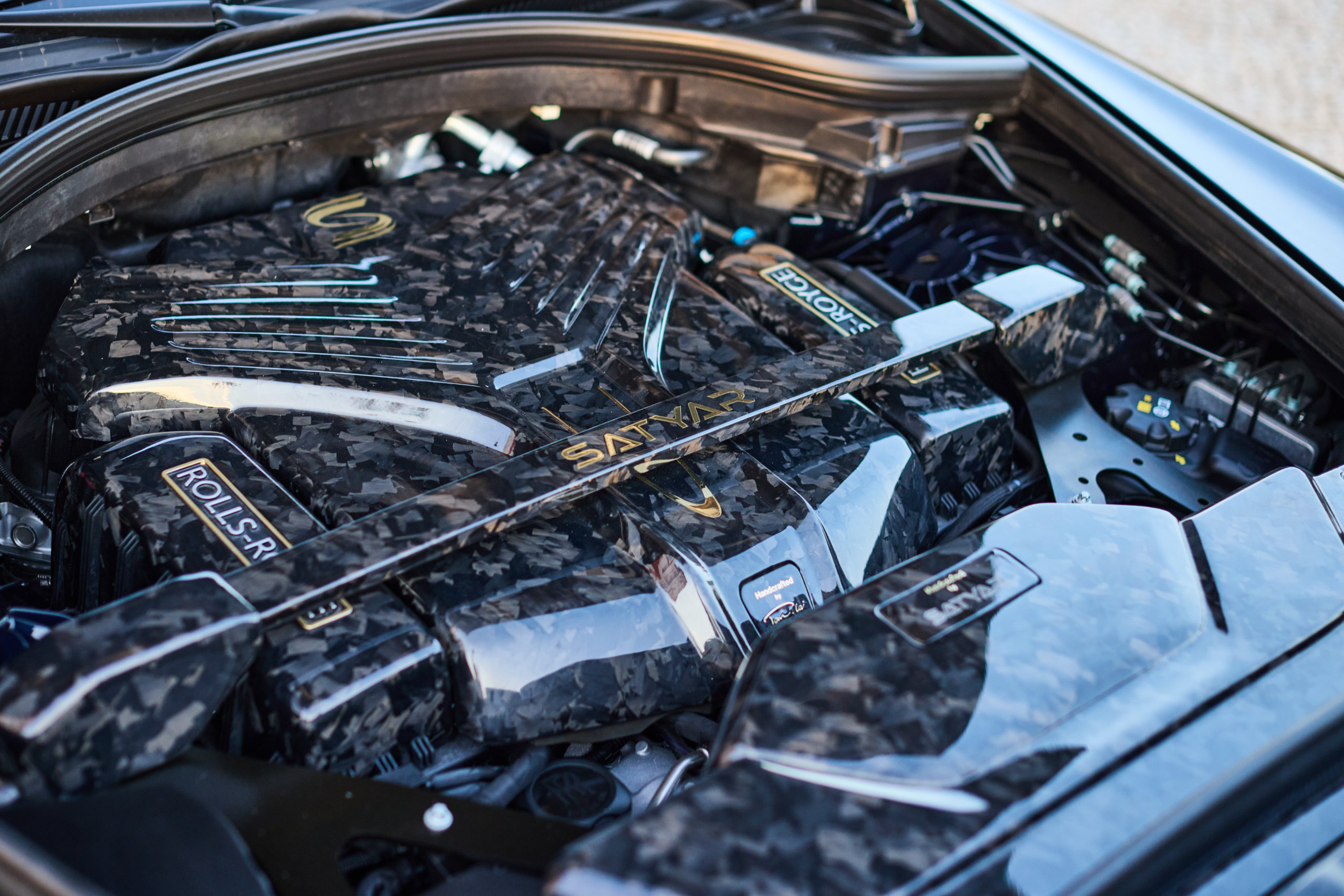
Carbon offers exceptional resistance to stress and damage, which makes parts made from it extremely durable.
Aesthetics

Thanks to their unique structure, carbon elements give cars a modern and luxurious look.
Carbon Fiber
The most popular material used in the production of parts such as body kits, bumpers, engine hoods and vehicle interiors. It is characterized by an excellent strength to weight ratio.
Pre-impregnated Carbon Fiber
The most popular material used in the production of parts such as body kits, bumpers, engine hoods and vehicle interiors. It is characterized by an excellent strength to weight ratio.
Carbon Fiber Mat
A material that is easier to form, often used to produce simple external components such as covers or reinforcements.
Carbon Kevlar
A combination of carbon and Kevlar material, increasing resistance to mechanical damage. Often used in the production of parts exposed to extreme conditions, such as engine covers.
Carbon Fiber Reinforced Polymer
Carbon fiber reinforced polymer that is used for more advanced structural components in racing and luxury cars.